
Understanding New Jersey Tax Regulations: Essential Information for Businesses
GD
Introduction to New Jersey Tax Regulations
Understanding the tax regulations in New Jersey is crucial for businesses operating within the state. These rules can affect various aspects of your business, from income tax to sales tax compliance. By staying informed, you can ensure that your business remains compliant and avoids unnecessary penalties.

Business Income Tax
In New Jersey, businesses are subject to a corporate business tax (CBT). This tax applies to both corporations and certain partnerships. The tax rate depends on the income level of the business, with rates structured progressively. It’s essential to file the CBT-100 form annually to report your business income.
For small businesses and startups, understanding the tax credits available can significantly reduce tax liability. New Jersey offers various credits, including those for research and development, which can be beneficial for tech startups and innovation-driven companies.
Sales and Use Tax
New Jersey imposes a sales tax on all retail sales of goods and services, with a current rate of 6.625%. Businesses must collect this tax at the point of sale and remit it to the state. It’s important to register for a sales tax certificate and regularly file sales tax returns.

In addition, New Jersey has a use tax, which applies to goods and services purchased out of state but used in New Jersey. Businesses must self-assess and pay this tax if it applies. Keeping accurate records of all transactions is crucial for compliance.
Employee Withholding Tax
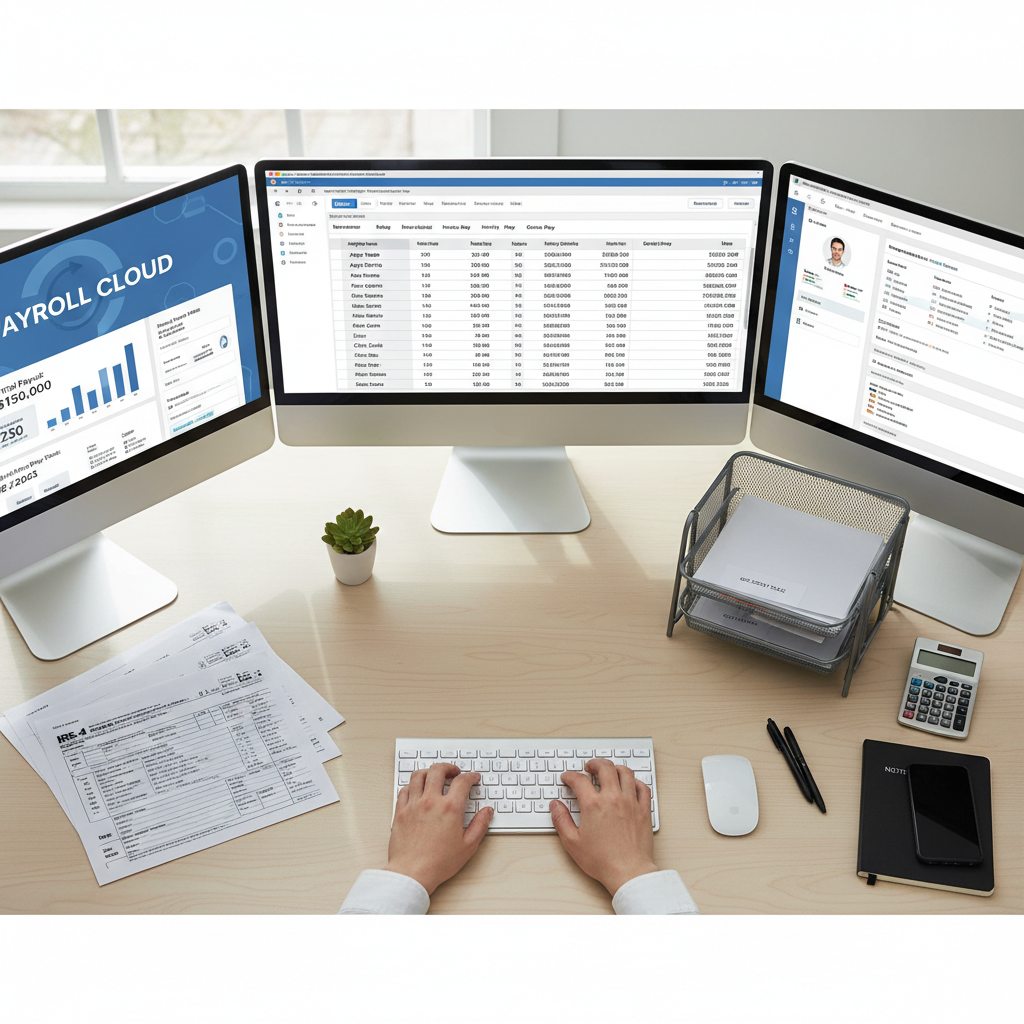
If your business has employees, you are required to withhold state income tax from their wages. This involves registering with the state, calculating the correct amount to withhold, and submitting these funds regularly. New Jersey provides detailed guidelines and calculators to assist businesses in this process.
Property and Excise Taxes
Businesses owning property in New Jersey may be subject to property taxes, which vary by municipality. Regular assessments ensure that property taxes reflect current market values. It’s advisable to review these assessments and understand the appeals process if necessary.
Additionally, certain industries, such as tobacco and alcohol, face excise taxes. These are additional taxes on specific goods, and understanding the rates and compliance requirements is essential for businesses in these sectors.
Filing and Payment Deadlines
Staying on top of filing and payment deadlines is key to avoiding penalties. New Jersey provides a calendar of important tax dates, and utilizing reminders or accounting software can help ensure timely compliance. Late filings can result in fines, making it crucial for businesses to prioritize these deadlines.

Conclusion and Resources
Navigating New Jersey’s tax regulations can be complex, but with careful attention and proper planning, businesses can manage their tax obligations effectively. Utilizing resources such as the New Jersey Division of Taxation’s website and consulting with tax professionals can provide valuable support.
By understanding and adhering to these regulations, your business can thrive in New Jersey’s competitive market while maintaining full compliance with state laws.