
Seasonal Tax Preparation Tips for NJ Residents
GD
Understanding New Jersey Tax Deadlines
As the tax season approaches, it's crucial for New Jersey residents to stay informed about key deadlines. The state typically aligns with the federal tax deadline of April 15, but specific circumstances may lead to variations. It’s wise to verify these dates each year to avoid any last-minute surprises.
For those who find themselves needing additional time, New Jersey offers an automatic six-month extension. However, this extension only applies to filing, not to paying taxes owed. If you anticipate owing money, ensure that payments are submitted by the original deadline to avoid penalties.
Organizing Financial Documents
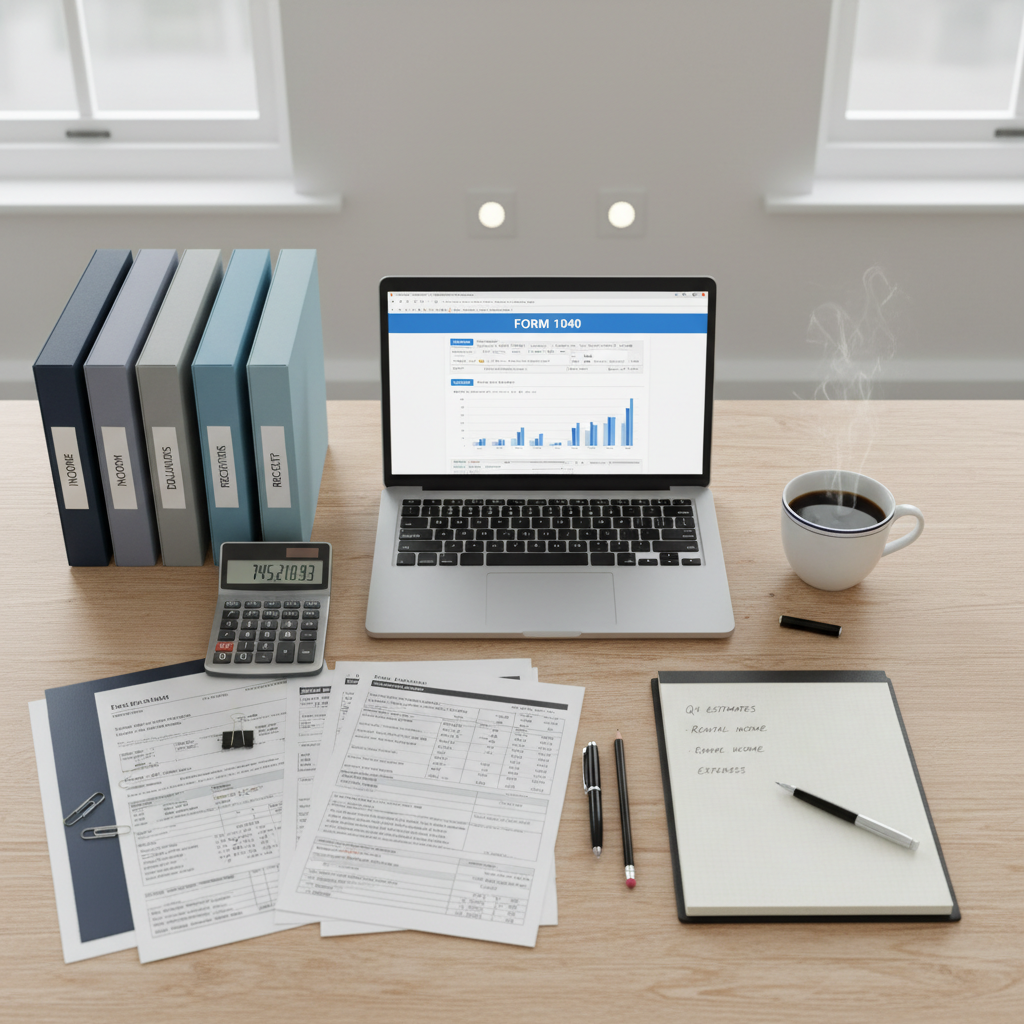
One of the most effective ways to streamline your tax preparation is by organizing your financial documents early. Begin by collecting W-2s, 1099s, and any other income statements. Don't forget about investment statements and records of any deductible expenses.
Creating a dedicated folder, whether physical or digital, can help keep everything in one place. This organization ensures that you have all necessary documentation ready, simplifying the filing process and minimizing stress.
Leveraging New Jersey Tax Credits
New Jersey offers several tax credits that can significantly reduce your tax liability. One of the most beneficial is the Earned Income Tax Credit (EITC). If you qualify, this credit can provide substantial savings.
Other credits to consider include the Child and Dependent Care Credit and the Property Tax Deduction/Credit. Understanding these options can lead to significant savings, so be sure to review the eligibility requirements carefully.
Considering Professional Assistance
While many individuals opt to file their taxes independently, hiring a professional can be advantageous, especially if you have complex financial situations. Tax professionals are well-versed in the latest tax laws and can help identify deductions and credits you might miss.

Before choosing a tax professional, verify their credentials and ensure they have experience with New Jersey tax regulations. This due diligence can save you from potential headaches and ensure accurate returns.
Staying Informed and Updated
Tax laws are subject to change, and staying informed is vital. New Jersey’s Division of Taxation website is a reliable resource for the latest updates and guidance.
Subscribing to newsletters or alerts can also provide timely information and reminders, helping you stay on track with your tax obligations. Being proactive about these updates can prevent costly mistakes.
Preparing for Next Year
Once you’ve submitted your tax return, take some time to evaluate your preparation process. Identify any areas where you can improve for the following year. Perhaps you need a better organizational system or earlier start.
Consider setting up a monthly routine to review your finances and keep documents organized throughout the year. This practice can make tax season more manageable and less stressful in the future.